The Dad Dilemma: Rethinking Gifts for Him When He Hates Receiving Things
If you’ve https://lukascfhp424.almoheet-travel.com/the-art-of-appreciation-meaningful-father-s-day-gestures-without-spending-a-dim ever been trapped in the fluorescent horror show of gift shopping—browsing aisles filled with socks, novelty mugs, and expensive gadgets—you know the dread. You're trying to find the perfect present for your father, only to hit the inevitable wall: He hates receiving gifts.
It isn’t a rejection of you; it’s a deep-seated aversion to the performance of appreciation that gift-giving often requires. For some dads, an object feels like an obligation, or worse, a reminder that they need something—a subtle pressure cooker built out of wrapping paper and misplaced sentimentality. They prefer action over adornment.
You don't need another listicle telling you to buy a fancy gadget he’ll forget by Tuesday. You need permission to think differently. If the goal is truly connection, then we must stop thinking about things and start thinking about intentionality.
Shifting Focus: From Objects to Experiences
The single most effective pivot you can make is understanding that your gift shouldn't be a thing; Click for more info it should be an invitation. You are not giving him an item; you are gifting him time, a shared memory, or the opportunity for deep relaxation.
If he dismisses material things, lead with experiences tailored to his existing passions—the ones he already pays for himself, because they bring him genuine joy. This signals that you see him, truly see him, beyond just "Dad."
Consider these angles:
- The Skill Upgrade: Does he love grilling? Instead of a fancy new spatula set (which is redundant), gift him a masterclass—maybe in butchery or wood-fired pizza making. The value isn't the tool; it's the expertise and the shared activity.
- The Local Deep Dive: If he enjoys history, don't buy a book of local lore. Book a specialized walking tour through the city’s industrial past, complete with a nice lunch at an independent spot afterward. The journey is the gift; the knowledge is the souvenir.
- Curated Downtime: This requires knowing his routine intimately. If he always complains about having too much "mental clutter" after work, don't buy him another gadget to organize things. Instead, purchase a day pass or membership for something that forces quiet focus—a regional botanical garden’s specialty greenhouse, a local library with rare archive access, or an afternoon at a specific museum wing he always mentions passing by.
The Gift of Effort: Acts That Require Zero Receiving
Sometimes the best gift is one that requires absolutely nothing from him in return. These are acts of service—things you do for him, which bypasses the awkwardness of "thank you" and "I shouldn't have."
These ideas are predicated on observation. What does he complain about? What chore does he genuinely dread doing? Solve that problem in a luxurious way.
Think about tackling low-stakes friction points:
- The Car Refresh: Instead of buying him car gear, book a professional detailing service and coordinate it for a specific time when he won't have to manage the process. Presenting him with a coupon for peace is far more impactful than presenting him with scented microfiber cloths.
- The Chore Delegation: If yard work or maintenance is his least favorite activity, arrange and pay for a service that handles it completely—a full hedge trim, professional gutter cleaning, etc.—and simply present the invoice as a "No-Sweat Donation to Dad." It's powerful because it removes burden.
- The Digital Cleanse: If he struggles with technology or feels overwhelmed by digital clutter, gift him an hour of dedicated time from you (or a trusted relative) where you sit down and patiently organize his photos, simplify his passwords, or teach him one specific new app feature that genuinely helps him—like streaming music to his smart speaker.
“The greatest gifts are not the things we buy, but the moments we allow ourselves to share.” — A guiding thought for any gathering.
This idea reminds us that sometimes the profoundest value lies in the simple reallocation of attention. It’s a reminder to slow down and pay attention to where his energy is best spent.
Building Bridges: The Power of Shared Nostalgia
If experiences feel too abstract, and chores are too functional, pivot toward shared history. This requires an emotional toolkit rather than a shopping cart.
Remembering the anecdotes—the little moments that defined your relationship or family life—is incredibly potent. It proves you remember him.
For example: Do you recall the time he tried to fix something complicated in the garage and failed spectacularly? Instead of a new tool, gift him a reproduction of the old project (e.g., a beautifully framed photo of that incident with a funny caption) paired with an admission of how much you laughed that day. It validates his effort, not just his success.
My uncle, who is notoriously camera-shy and dislikes public recognition, once told me he felt most appreciated when I didn't give him anything at all for his birthday. Instead, I spent the day documenting our conversations—the small observations, the stray jokes, the deep thoughts we shared over a simple backyard BBQ. When he saw the compiled album of candid photos and notes, his reaction wasn’t surprise; it was a profound sense of being known. The gift wasn't the memory captured, but the permission to be observed in his natural state.

Ending with Connection: What Matters Most
When you circle back through these ideas—experiences, acts of service, and shared memories—a pattern emerges. Every successful "anti-gift" strategy is rooted in one core principle: it must feel personal.
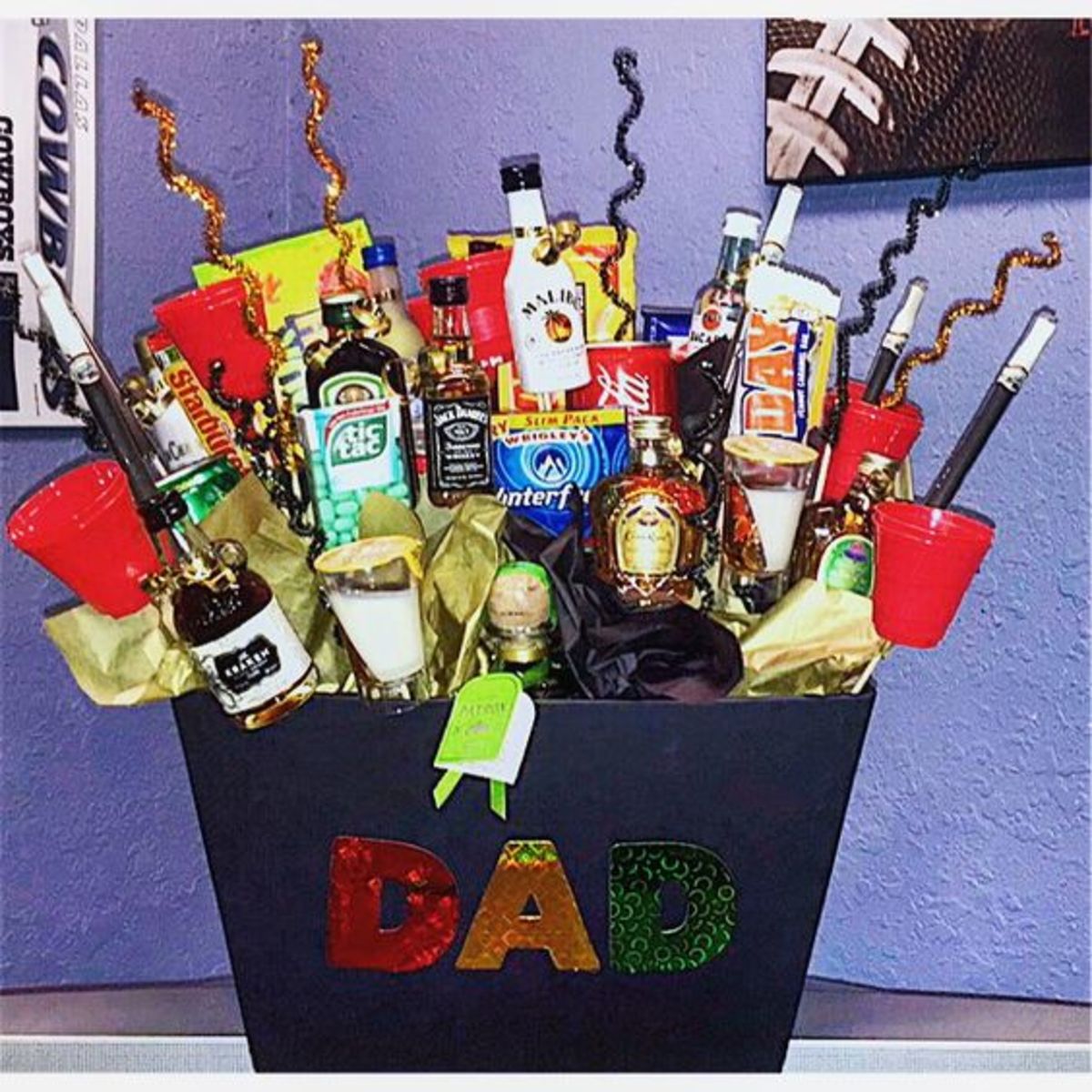
The key to solving the Dad Dilemma isn't finding a product; it's conducting an investigation into his life. Ask yourself: What makes him laugh easily? When does he look genuinely relaxed? Where does he complain about wasted time?
Your goal is not to spend money, but to deploy attention. By giving attention—the thoughtful scheduling of time, the dedicated planning around a shared interest, or the simple act of removing a frustration—you communicate something far more valuable than any retail purchase ever could: I see you. And that, for many dads who hate receiving things, is the perfect gift.